Homegrown Celery: Why Its Flavor Beats Store-Bought Every Time
There's a certain magic that happens when you taste a vegetable pulled fresh from your own garden. It’s a revelation, a flavor explosion that often makes you wonder if you’ve been eating the same plant all along. This phenomenon is perhaps most striking when it comes to celery. For many home gardeners, the journey of growing this crunchy, aromatic stalk begins with a simple curiosity, often leading to a delightful surprise. Indeed, when we grew celery for the first time, the difference in taste and quality was so profound, it forever changed our perception of this garden staple.
Celery often carries a reputation for being a somewhat finicky or slow-growing crop, intimidating to first-time gardeners. However, as countless enthusiasts (ourselves included!) have discovered, the rewards far outweigh any perceived challenges. The truth is, with a little patience and the right approach, celery can become a permanent fixture in your garden, offering an unparalleled freshness and depth of flavor that simply cannot be replicated by supermarket varieties. Prepare to be amazed by the vibrant taste, the incredible crispness, and the unmistakable aroma of homegrown celery.
The Unmistakable Difference: Why Homegrown Celery Shines
If you've only ever experienced celery from the produce aisle, prepare for a sensory awakening. The moment you snap a stalk of freshly harvested, homegrown celery, you’ll notice an immediate difference. The sound is crisper, the texture more satisfyingly firm, and the aroma... oh, the aroma! It's bright, herbaceous, and intensely fresh – a scent that truly needs to be experienced to be believed. This heightened sensory experience is just the beginning.
The flavor profile of homegrown celery is dramatically superior. Store-bought varieties, often picked early for transport and storage, can be watery and somewhat bland. In contrast, home-grown stalks boast a fuller, more complex taste. They are brighter, with a sweet, earthy essence that is perfectly balanced by that signature mild bitterness. This isn't just a slight improvement; it's a completely different vegetable, elevated to its true potential. Every bite delivers a concentrated burst of flavor that transforms even the simplest of dishes.
Beyond the stalks, homegrown celery offers another hidden gem: its leaves. These often-discarded greens from store-bought celery are packed with an intense, concentrated flavor, reminiscent of a more robust parsley. They are fantastic finely chopped into salads, added to soups and stocks for an aromatic boost, or even sautéed with other greens. Growing your own celery grants you access to the entire plant, not just the familiar stalks, unlocking a world of culinary possibilities.
Dispelling the Myth: Growing Celery for the First Time Isn't So Hard
It’s true that celery has a reputation for being a challenging plant to grow, particularly from seed. Many gardeners share stories of frustrating germination rates or slow initial growth. We, too, faced some initial hurdles with our seeds, a common experience that can deter beginners. However, once those precious seedlings establish themselves and are transplanted into the garden, the story often changes dramatically. What seemed daunting at first quickly transforms into a surprisingly "no-nonsense" plant.
The key to success, as we grew celery for the first time, was understanding its requirements and approaching it with a bit of patience. Celery is a slow, steady grower that rewards careful planning and an early start. It needs a long growing window to develop its strong roots and those crisp, flavorful stalks we crave. This means starting seeds indoors well in advance – typically 10-12 weeks before your last frost date – to give them a head start. While germination can be tricky (requiring consistent moisture and warmth), once those tiny green shoots emerge, the most difficult part is often over.
Don't let the initial hurdles discourage you. The satisfaction of harvesting your own vibrant, aromatic celery, knowing you nurtured it from a tiny seed, is incredibly rewarding. It proves that with a little persistence, even plants with a "difficult" reputation can become a beloved and permanent staple in your garden. For a more detailed walkthrough of the entire process, including troubleshooting tips, you might find our guide, We Grew Celery for the First Time: Easier Than Expected!, particularly helpful.
Your Guide to a Successful First Celery Harvest
Ready to embark on your own celery-growing adventure? Here’s what you need to know to achieve that remarkable homegrown flavor:
Starting Strong: Seeds, Transplants, or Cuttings?
You have a few options when it comes to getting your celery plants started:
- From Seed Indoors: This method gives you the most control over variety and generally yields the largest, most consistent plants. Start seeds indoors 10-12 weeks before your average last frost date. Provide consistent moisture and warmth (a heating mat can be beneficial) to aid germination, which can be slow.
- Nursery Transplants: If you find healthy celery transplants at your local nursery, this is a fantastic way to bypass the trickiest part of growing celery and get a quick start.
- Regrowing from a Celery Base: A fun and simple experiment, especially for kids! Cut about an inch off the base of a store-bought celery bunch, place it in a shallow dish of water, and watch new growth emerge. Once roots and leaves develop, you can plant it in soil. While this method is easy, the resulting plants may not be as robust as those grown from seed or purchased as transplants, but it’s a great way to experience the magic of regeneration.
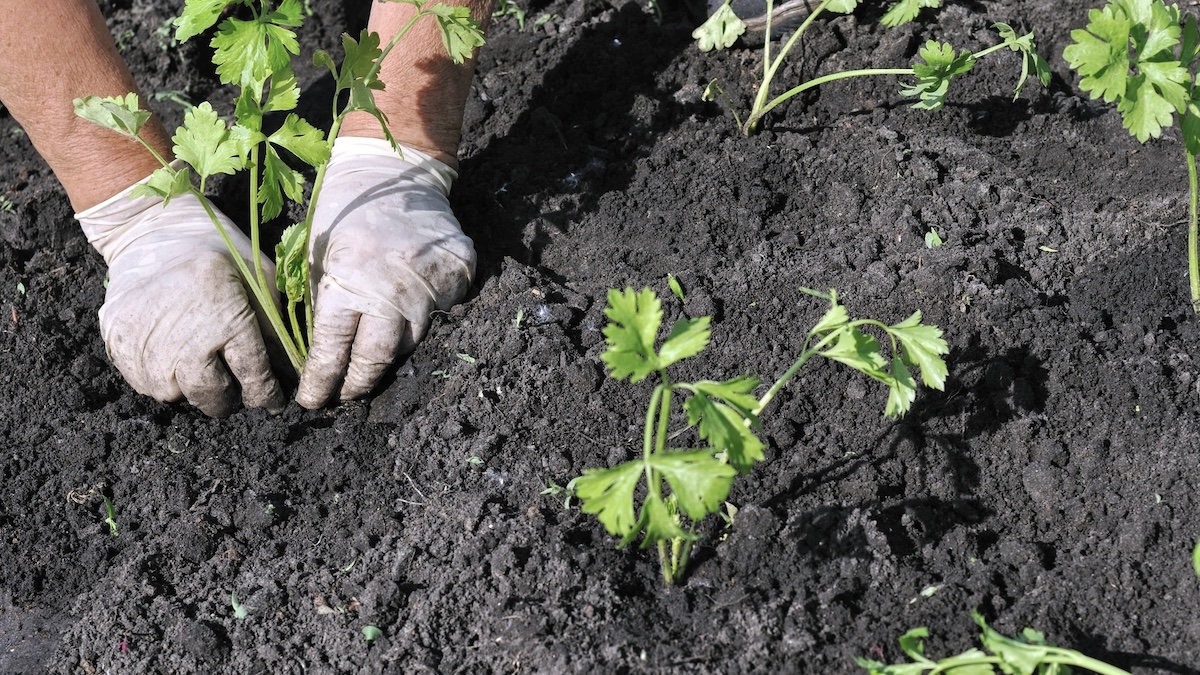
When transplanting seedlings or celery bases outdoors, ensure the soil temperature is at least 50°F (10°C). Plant them 8-10 inches apart at the same level as they were in their nursery pots. If you're using a square foot gardening method, you can typically plant four celery plants per square foot.
Patience is a Virtue: The Celery Growing Window
Celery is not a sprint; it's a marathon. From seed to harvest, it needs a long growing window, often taking several months. For example, if seedlings are transplanted in mid-May, you can expect to begin harvesting in September. This slow and steady growth allows the plant to develop those strong roots and wonderfully crisp, flavorful stalks. Consistent moisture is crucial throughout its growth cycle, as celery is a thirsty plant.
Maximizing Your Yield: The Cut-and-Come-Again Method
One of the most satisfying aspects of growing your own celery is its productivity when harvested correctly. Instead of pulling the entire plant, you can employ the "cut-and-come-again" method. This involves cutting individual outer stalks as needed, allowing the center of the plant to continue growing and producing new stalks. This technique means a single celery plant can provide multiple harvests over an extended period, making it an incredibly efficient and generous crop for any kitchen garden. Simply use a sharp knife to slice off outer stalks near the base, taking care not to damage the central growth point.
For more comprehensive guidance on planting, care, and harvesting, our article Growing Celery From Seed to Harvest: A Rewarding Beginner's Guide offers an in-depth look at cultivating this amazing vegetable.
Beyond the Stalks: Utilizing Every Part of Your Celery Plant
As mentioned, the leaves of homegrown celery are a culinary treasure. Don't discard them! Here are some ideas for how to use them:
- Flavor Boost: Finely chop celery leaves and add them to salads, scrambled eggs, omelets, or as a garnish for soups and stews.
- Aromatic Base: Include them with onions, carrots, and celery stalks in your mirepoix for an extra layer of flavor in stocks, sauces, and braises.
- Herbal Infusions: Steep celery leaves in hot water for a soothing, savory tea, or add them to infusions for homemade broths.
- Pesto & Sauces: Blend celery leaves into pestos or green sauces for a unique herbaceous note.
By growing your own, you unlock the full potential of the celery plant, reducing food waste and enriching your culinary creations with fresh, vibrant flavors.
The journey of growing celery for the first time is one of discovery, patience, and ultimately, immense satisfaction. The exceptional flavor, crispness, and aroma of homegrown celery truly set it apart, making it a garden staple for years to come. While its reputation might precede it, the reality is that celery is a rewarding plant that, once established, requires relatively low fuss. So, take the leap, embrace the adventure, and prepare to be delighted by the unparalleled taste of celery cultivated with your own hands. You’ll quickly understand why we grew celery for the first time and immediately made it a permanent part of our garden.
