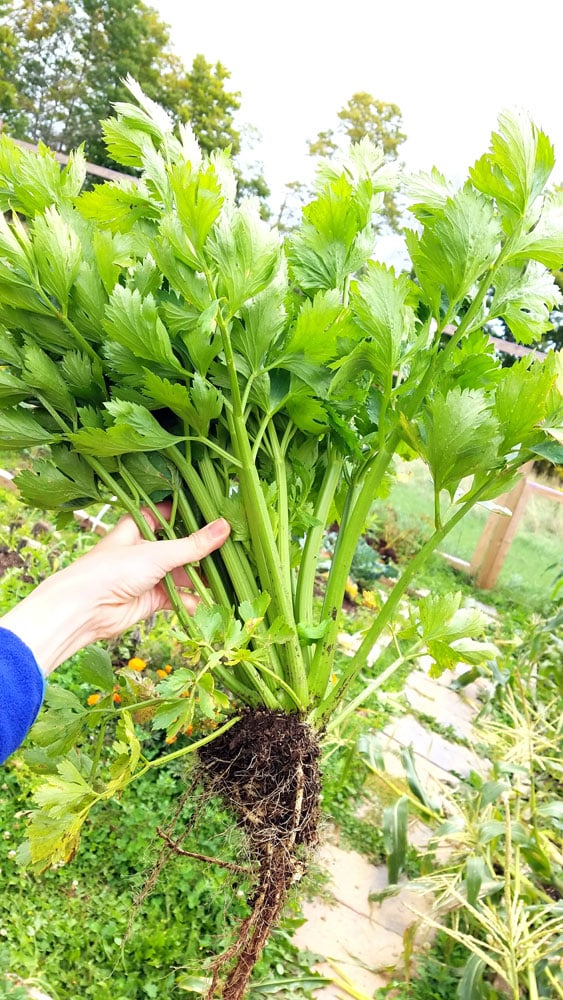
Our First Celery Harvest: Easier and More Rewarding Than We Ever Imagined!
For years, growing celery felt like a challenge reserved for seasoned green thumbs, a vegetable cloaked in a reputation for being notoriously difficult. We'll admit, when we decided to try
growing celery for the first time this past season, there was a mix of excitement and trepidation. Would it be worth the effort? Could we really cultivate those crisp, vibrant stalks we love from the grocery store? The resounding answer, we discovered, is a triumphant "Yes!" Not only was the process far more approachable than anticipated, but the reward of homegrown celery is an unparalleled delight that has secured its permanent place in our garden for seasons to come.
Dispelling the Myth: Why Celery Isn't So Difficult After All
The common perception often paints celery as a fussy, high-maintenance crop. Our inaugural experience, however, largely contradicted this notion. While we'll concede that getting celery seeds to germinate can be a bit of a tricky dance – requiring consistent moisture and patience – once those delicate seedlings were successfully transplanted into the garden, we found celery to be remarkably self-sufficient. It proved to be a pretty "no-nonsense" plant, settling into its new home and growing steadily without excessive demands.
The key, we learned, is understanding celery's fundamental needs: a long, cool growing season, consistent moisture, and nutrient-rich soil. It's not a race; it's a marathon. From the moment our seedlings went into the ground on May 17th until our first harvest in September, it was a slow, steady journey. This extended timeline is crucial for developing strong roots and the full, robust flavor we crave. If you approach celery with that understanding – patience over speed – you'll find it far more forgiving than its reputation suggests. It truly is a rewarding experience once the initial hurdle of germination is overcome, transforming from a perceived challenge into a source of gardening pride.
The Unbeatable Flavor and Versatility of Homegrown Celery
If you use celery even occasionally, you owe it to yourself to experience the dramatic difference of homegrown stalks. The quality chasm between what you pull from your garden and what you buy from the store is simply immense. Freshly harvested celery delivers an audible snap, a brighter, more intense flavor, and a fuller, more complex taste that commercial varieties often lack. The stalks are robust, juicy, and infused with an earthy sweetness that becomes the cornerstone of any dish. We were truly amazed by the incredible aroma alone; if only we could share the scent of our freshly picked celery with you – it's absolutely amazing! To delve deeper into this incredible flavor difference, explore
Homegrown Celery: Why Its Flavor Beats Store-Bought Every Time.
But the appeal of homegrown celery extends beyond just the stalks. One of the greatest "hidden gifts" of growing your own is access to the entire plant, especially the leaves. Often discarded on store-bought celery, these vibrant green leaves are packed with an even more concentrated flavor than the stalks. They can be used much like a more intense parsley – chopped into soups, stocks, salads, stir-fries, or even blended into pesto. Imagine the depth they add to your homemade chicken soup or a fresh summer salad!
Furthermore, celery is surprisingly productive when harvested correctly. Instead of pulling the entire plant, you can employ a "cut-and-come-again" harvesting method. Simply cut individual outer stalks as needed, allowing the center to continue growing and producing. This generous habit means a single celery plant can provide multiple harvests over an extended period, making it an incredibly efficient and bountiful crop for any kitchen garden. We still have several plants continuing to produce, providing fresh celery on demand!
Getting Started: Key Tips for Your First Celery Crop
Embarking on your first celery growing adventure doesn't have to be daunting. With a few key strategies, you can set yourself up for success and enjoy the incredible rewards of homegrown crispness.
Starting Seeds Indoors vs. Transplants
For the most control over variety and generally the largest, most consistent plants, starting celery seeds indoors is highly recommended. Celery needs a long growing window, so giving it an early start – typically 10-12 weeks before your last frost date – makes all the difference. While germination can be slow and requires consistent moisture and warmth, the effort pays off in robust seedlings. If you're short on time or want a quicker start, purchasing healthy celery transplants from a local nursery is an excellent alternative.
The "Cut-Off Base" Method
A fun and simple way to experiment with growing celery, especially great for engaging kids, is by planting a cut-off celery base. Simply cut about an inch off the base of a store-bought celery bunch, place it in a shallow dish of water in a sunny spot, and watch new sprouts emerge. Once it develops some roots and leaves, you can transplant it into soil. While this method might not yield the largest plants, it's a fascinating way to observe growth and get a taste of homegrown flavor. It's a fantastic educational project that shows the resilience of plants.
Timing and Spacing Are Everything
As we've highlighted, celery thrives in cool weather and requires a long growing season. Transplant your celery seedlings (or cut-off bases) outdoors once the threat of frost has passed and the soil temperature is at least 50°F (10°C). Space them approximately 8-10 inches apart to allow for proper air circulation and development. For square foot gardening enthusiasts, you can typically plant four celery plants per square foot. Consistent watering is paramount, as celery is primarily water, and fluctuations can lead to stringy or bitter stalks. Mulching around the plants can help retain soil moisture and suppress weeds – a lesson we certainly learned the hard way with a busy garden season!
Patience and Consistency
Celery is not a sprint; it's a marathon. It’s a slow, steady plant that generously rewards gardeners who plan ahead and provide consistent care. Don't expect rapid growth, but do expect a steady, satisfying development. Regular watering, especially during dry spells, and a watchful eye for pests are usually all that's required. Some gardeners also choose to "blanch" their celery by mounding soil around the lower stalks or wrapping them in paper collars to encourage lighter color and tenderness, though many modern varieties are bred to be self-blanching. For more detailed guidance on growing celery from start to finish, be sure to read
Growing Celery From Seed to Harvest: A Rewarding Beginner's Guide.
Our Celery Journey: From Seedlings to September Harvest
Our journey into growing celery truly began with a sense of adventure, branching out from our usual reliable crops. We transplanted our young celery seedlings into the garden on May 17th, full of hope. While the initial seed germination phase presented its learning curve, once those tiny plants took root in the garden, they truly took off. We diligently provided consistent moisture and watched as they slowly but surely transformed into sturdy, leafy plants.
By September, our patience was amply rewarded. The celery we picked was incredibly crisp and bursting with a fresh, bright flavor unlike anything from the store. The smell alone was intoxicating – a testament to its peak freshness. We were so impressed that celery has now officially earned a permanent staple spot in our garden plan for years to come. Even amidst the chaos of managing a new baby during peak garden season, which admittedly led to some rather enthusiastic weed growth (a spring chore we’re already anticipating!), the celery plants continued their steady, unfussy progress, proving their resilience.
Conclusion
Our experience of
growing celery for the first time was a revelation. What began as a cautious experiment quickly blossomed into a profound appreciation for this versatile, flavorful vegetable. Despite its intimidating reputation, we discovered that with a little patience and consistent care, homegrown celery is not only achievable but also incredibly rewarding. The superior taste, the satisfying crunch, and the ability to utilize the entire plant, including the flavorful leaves, make it an indispensable addition to any home garden. We wholeheartedly encourage you to embark on your own celery growing adventure; you might just find it's easier, and infinitely more delicious, than you ever expected. Give it a try – you won't regret it!